
Indonesia Debuts Five Physical Gold ETFs in Major Capital Market Expansion
Indonesia launched five Sharia-compliant physical gold ETFs on August 10, 2026, marking a milestone in the country's decade-long effort to deepen its financial markets and provide investors with asset-backed investment alternatives.
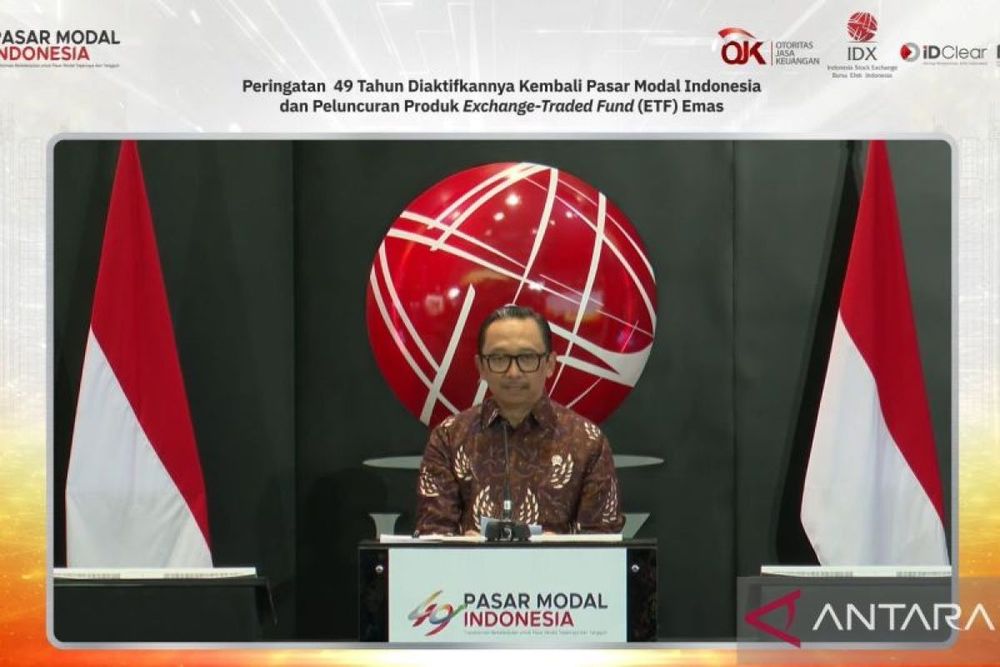
Indonesia Debuts Five Physical Gold ETFs in Major Capital Market Expansion
Indonesia introduced five physical Gold Exchange Traded Funds at the Indonesia Stock Exchange in Jakarta on Monday, expanding investment options while integrating the country's national bullion framework into the capital market ecosystem.
The launch, which coincided with the 49th anniversary of Indonesia's capital market, represents the culmination of a 10-15 year aspiration to bring gold-backed securities to domestic investors, according to Financial Services Authority (OJK) Board of Commissioners Chair Friderica Widyasari Dewi.
Five investment managers rolled out the instruments simultaneously: PT Trimegah Asset Management, PT BRI Manajemen Investasi, PT Mandiri Manajemen Investasi, PT Syailendra Capital, and PT Indo Premier Investment Management. All products are compliant with Islamic financial principles under a fatwa issued by the National Sharia Council of the Indonesian Ulema Council (DSN-MUI).
Asset-Backed Investment Vehicle
Deputy Finance Minister Juda Agung emphasized the tangible nature of the new financial products during the launch ceremony.
A Gold ETF is a financial product, but behind it lies an underlying asset of real, physical gold. Investors must trust that the gold exists.
The instruments utilize Electronic Gold Receipts at PT Kustodian Sentral Efek Indonesia (KSEI) to record digital ownership of the underlying physical gold. When investors purchase units of the ETF, the fund house acquires a corresponding amount of physical gold and stores it in secure vaults with a registered custodian, with unit values tracking the market price of gold.
Juda noted that global demand for gold ETFs has surged, with worldwide assets under management reaching US$559 billion and holdings exceeding 4,025 tons of gold by 2025.
Integration with National Bullion System
The gold ETF launch builds on Indonesia's national bullion bank, which was established on February 20, 2025, and is jointly operated by state-owned pawnshop PT Pegadaian and Islamic lender Bank Syariah Indonesia. The bullion bank has accumulated 153 tons of gold since its inception.
KSEI President Director Samsul Hidayat expressed confidence that the new instruments will serve as viable alternatives for retail and institutional investors while bridging the capital market with the broader national bullion framework.
Part of Comprehensive Reform Agenda
Friderica described the gold ETF introduction as an immediate outcome of the regulator's broader strategic roadmap.
This launch marks the expansion of the bullion market as a quick win under our eight-point action plan for integrated financial market deepening.
OJK launched its eight-point action plan for capital market reform on February 1, 2026, which included raising the minimum public shareholding requirement from 7.5 percent to 15 percent to align with global standards. The regulator set an overall capital market fundraising target of Rp250 trillion (approximately US$13.88 billion) for 2026.
The reform efforts have gained international recognition. In June 2026, MSCI retained Indonesia's Emerging Market classification and acknowledged the country's capital market reform initiatives, including improvements in transparency and integrity.
Strategic Priorities
Juda outlined three priorities for the new market: continuous market deepening, strong integration with the national bullion framework, and uncompromised integrity. He emphasized that product innovation must be paired with rigorous oversight, investor protection, and corporate governance.
What we are doing today is not simply adding a product. We are expanding investment options while deepening our financial market to compete effectively with regional and global markets.
The Deputy Finance Minister stressed that the next challenge extends beyond market expansion to building depth and increasing investor trust through sustained regulatory oversight and market development.