
Indonesia accelerates cultural preservation with revitalization of nearly 200 museums and heritage sites in 2026
Culture Minister Fadli Zon announces ambitious plan to revitalize nearly 200 museums and cultural heritage sites this year, expanding from 152 sites in 2025 as part of government efforts to modernize cultural institutions and boost heritage tourism.
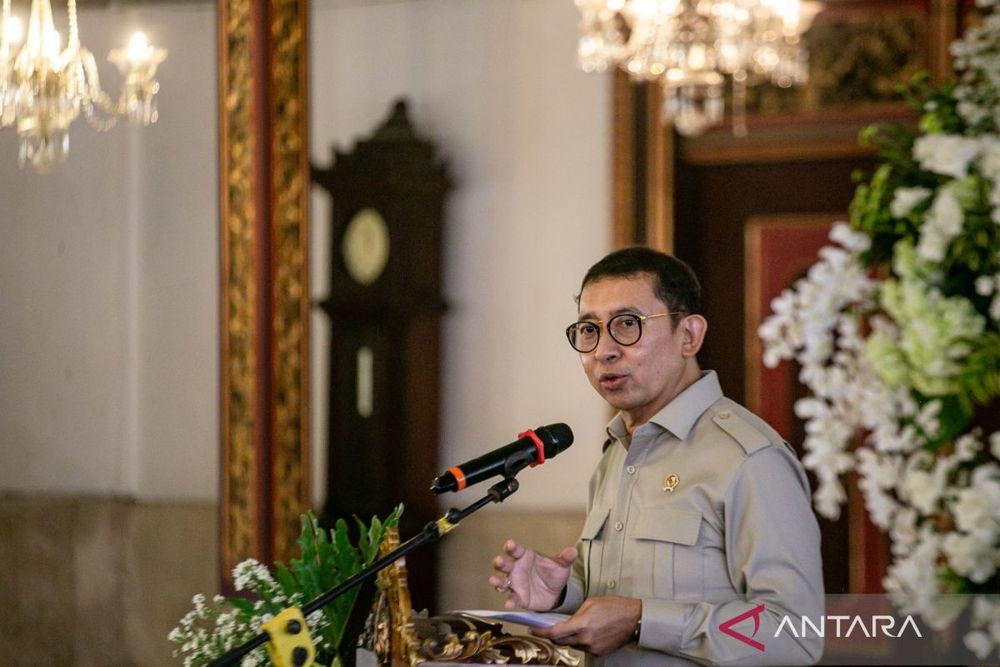
Indonesia accelerates cultural preservation with revitalization of nearly 200 museums and heritage sites in 2026
Indonesia's Ministry of Culture will revitalize nearly 200 museums and cultural heritage sites in 2026, representing a significant expansion from the 152 sites revitalized in 2025, Culture Minister Fadli Zon announced in Jakarta on Wednesday.
The ambitious program targets major royal palaces and provincial museums across the archipelago, including Maimun Palace in Medan, the Surakarta Palace, and several palaces in Kalimantan and Sulawesi. Among these historic landmarks, Maimun Palace stands as an architectural treasure built between 1887 and 1891 by Sultan Ma'mun Al Rashid Perkasa Alamsyah. The palace, designed by Dutch architect Theodoor van Erp, covers 2,772 square meters with 30 rooms and was designated as a cultural heritage site under Indonesia's 2010 Law on Cultural Heritage.
The Surakarta Palace, established in 1745 by Pakubuwono II, serves as the cultural and historical center of the Mataram Kingdom's legacy and represents another focal point of the revitalization initiative.
Provincial museums in focus
Minister Fadli emphasized that provincial museums constitute a key priority, particularly regarding their exhibition displays. Speaking during a discussion event, he noted that while many museums possess valuable artifacts, their presentation methods often fail to engage visitors effectively.
The minister praised North Sulawesi's governor for prioritizing the provincial museum's revitalization through regional budget allocations, which has resulted in impressive visitor numbers. However, he expressed concern that many other regional leaders have not given similar attention to provincial museums and cultural parks, which could serve dual purposes as educational facilities and heritage tourism destinations.
The revitalization program aims to transform museums into modern, attractive, and comfortable spaces that appeal to younger generations. With visits to museums and cultural heritage sites reaching 4.32 million in 2025, the initiative responds to rising public interest in cultural tourism. Indonesia currently maintains 516 officially registered and standardized museums as of January 2026.
Funding mechanisms and regional support
Minister Fadli explained that provincial museums and cultural parks receive Special Allocation Funds (DAK) from the Ministry of Culture, ranging from Rp1 billion to Rp3 billion annually. These funds are part of Indonesia's fiscal equalization system, allocated to regional governments for specific development priorities including cultural preservation programs.
The government's commitment to cultural funding extends beyond annual budgets through the Indonesiana Fund, a cultural endowment fund that reached Rp3 trillion by 2021 with a target of Rp5 trillion, providing sustainable financing for cultural activities.
Minister Fadli expressed hope that regional leaders across Indonesia would better understand these funding opportunities and effectively utilize them to revitalize local museums and cultural parks, which he described as vital hubs for advancing regional culture.
International recognition and economic impact
The revitalization efforts gain additional significance as Jakarta prepares to host the ICOM-CECA Annual Conference 2026 on November 9-14, marking the first time Indonesia has hosted this international museum event. This platform will showcase the country's progress in cultural preservation to the global museum community.
The museum revitalization program also aligns with Indonesia's broader tourism development strategy. With approximately 15.4 million international tourist arrivals recorded in 2025, and the tourism sector accounting for about 4.8 percent of GDP while employing over 25 million people, cultural heritage sites represent significant economic assets beyond their educational and preservation value.