
Solar-Powered Health Centers Bring Reliable Care to 200,000 People in Rural India
The Zayed Sustainability Prize's Beyond2020 initiative has deployed six solar-powered health facilities across Karnataka, India, improving healthcare access for over 200,000 people in communities with limited electricity infrastructure.
Solar-Powered Health Centers Bring Reliable Care to 200,000 People in Rural India
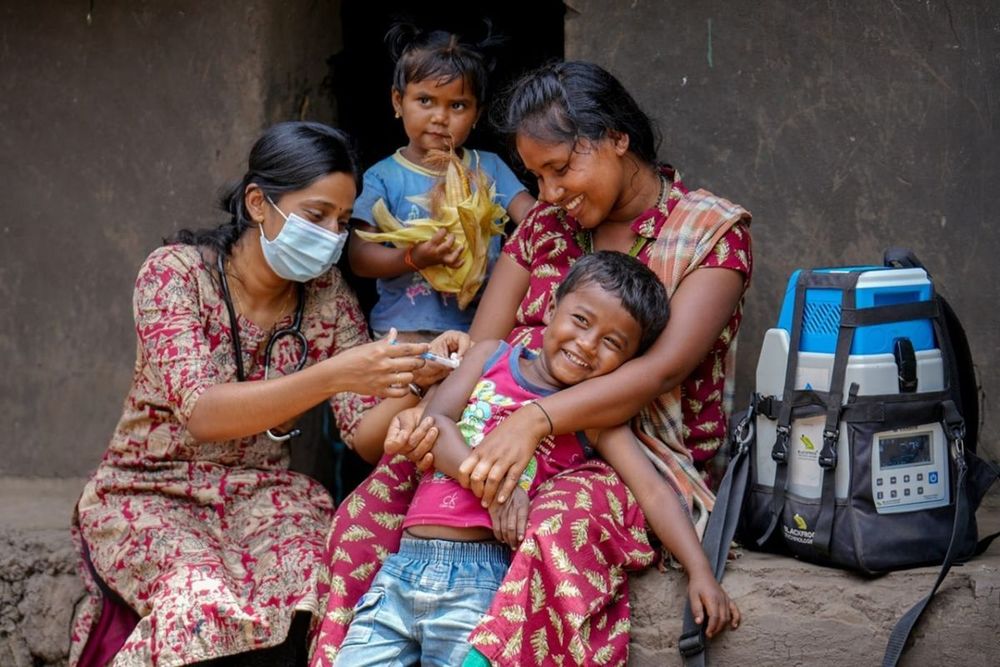
Six solar-powered health facilities have been completed across rural Karnataka in southwestern India, bringing reliable healthcare services to more than 200,000 people in communities where electricity access has long constrained medical care delivery.
The deployment, announced by Beyond2020—the flagship initiative of the UAE's Zayed Sustainability Prize—addresses a critical infrastructure gap in India's healthcare system. Around 24 percent of primary health centers in India remained unelectrified as of 2021, with facilities in rural areas experiencing chronic energy shortages and frequent power interruptions that disrupt essential medical equipment and services. Survey data shows that 7 percent of health centers experience daily power cuts exceeding eight hours, directly impacting vaccine storage and diagnostic capabilities.
Technical Infrastructure and Medical Capabilities
Each facility has been equipped with solar photovoltaic systems generating between two and 15 kilowatts of power under peak sunlight conditions. Off-grid solutions supported by lithium-ion battery banks provide energy storage capacity sufficient for 1.5 to two days of continuous operation.
The centers feature a comprehensive array of energy-efficient medical technologies. For maternal and neonatal care, facilities include portable baby warmers, phototherapy units, foetal monitors, and assisted ventilation equipment. An immunisation carrier ensures temperature-controlled vaccine delivery. Digital diagnostic tools—including stethoscopes, spirometers, tele-dermatology equipment, digital microscopes, and telemedicine units—enable the management of non-communicable diseases and support remote diagnostics.
Research indicates that health facilities without electricity experience 39 percent lower patient foot traffic compared to those with reliable power, underscoring the significance of consistent energy access for healthcare utilization.
Implementation Partnership
SELCO Foundation, a 2018 Zayed Sustainability Prize winner and India-based nonprofit organization specializing in sustainable energy solutions for poverty alleviation, carried out the deployment. The organization partnered with the Swami Vivekananda Youth Movement, an NGO focused on rural healthcare access, to deploy a mobile health clinic that extends services to the most remote communities.
Founded in 1984 by medical students led by Dr. R. Balasubramaniam at Mysore Medical College, SVYM now operates over 40 projects and seven institutes across Karnataka, serving more than 3 million people through healthcare, education, and community development initiatives. The organization's Vivekananda Memorial Hospital in Saragur, established in 1998, serves more than 50,000 patients annually from rural and tribal backgrounds and was the first rural hospital in Mysuru district to receive NABH accreditation for quality of care.
Dr. Harish Hande, CEO of SELCO Foundation, said the project demonstrates how energy can catalyze better healthcare outcomes. "By redesigning health facilities through solar innovation, we can make care both accessible and aspirational, bringing quality services to even the most remote communities," he stated, adding that the broader goal is nationwide expansion of this model.
National and Global Context
The deployment addresses healthcare access challenges amplified by geographic and economic factors. In states like Karnataka, healthcare costs exceed the national average, while remote locations require patients to travel long distances for care, increasing out-of-pocket expenses. Urban migration and the commercialization of private healthcare have further increased dependence on public primary health centers across the region.
India's healthcare infrastructure includes over 30,000 primary health centers and 150,000 sub-centers, many serving remote populations. The deployment aligns with India's Pradhan Mantri Ayushman Bharat Health Infrastructure Mission, launched in 2021 as the country's largest healthcare infrastructure program to enhance public healthcare through infrastructure improvements.
Globally, approximately 1 billion people rely on health facilities with unreliable or no electricity, with 12 percent of health facilities in South Asia lacking electricity access.
UAE Leadership and Prize Legacy
H.E. Ahmed Ali Al Sayegh, UAE Minister of Health and Prevention, emphasized that the deployment reflects the UAE's commitment to advancing sustainable development and expanding equitable healthcare access. "Through Beyond2020, the UAE continues to champion solutions that improve lives, strengthen resilience and advance global cooperation," he stated, noting the initiative honors Sheikh Zayed's legacy of compassion and action.
Sheikh Zayed bin Sultan Al Nahyan, the UAE's founding father, pioneered environmental sustainability and conservation decades before the United Nations developed the Sustainable Development Goals, with greening initiatives that transformed desert lands into fertile ecosystems.
Established in 2008 as the Zayed Future Energy Prize before being rebranded, the Zayed Sustainability Prize has recognized 139 winners over 18 years, positively impacting over 400 million lives globally across Health, Food, Energy, Water, Climate Action, and Global High Schools categories.
Beyond2020 has completed 19 deployments across energy, health, water, and food-related solutions, transforming the lives of more than 429,800 people in Nepal, Tanzania, Uganda, Jordan, Egypt, Cambodia, Madagascar, Indonesia, Bangladesh, the Philippines, Rwanda, Peru, Lebanon, Sudan, Ethiopia, Vietnam, Malaysia, Costa Rica, and India. Colombia has been identified as the location for the initiative's 20th deployment.
Partners in the Beyond2020 initiative include Abu Dhabi Fund for Development, BNP Paribas, Mubadala Energy, Masdar, and Abu Dhabi Commercial Bank.