
Indonesia to prioritize national brands in electric vehicle incentive scheme
Industry Minister Agus Gumiwang Kartasasmita announced that government EV incentives will prioritize national automotive brands, as Indonesia seeks to reduce import dependency and strengthen domestic manufacturing in Southeast Asia's largest vehicle market.
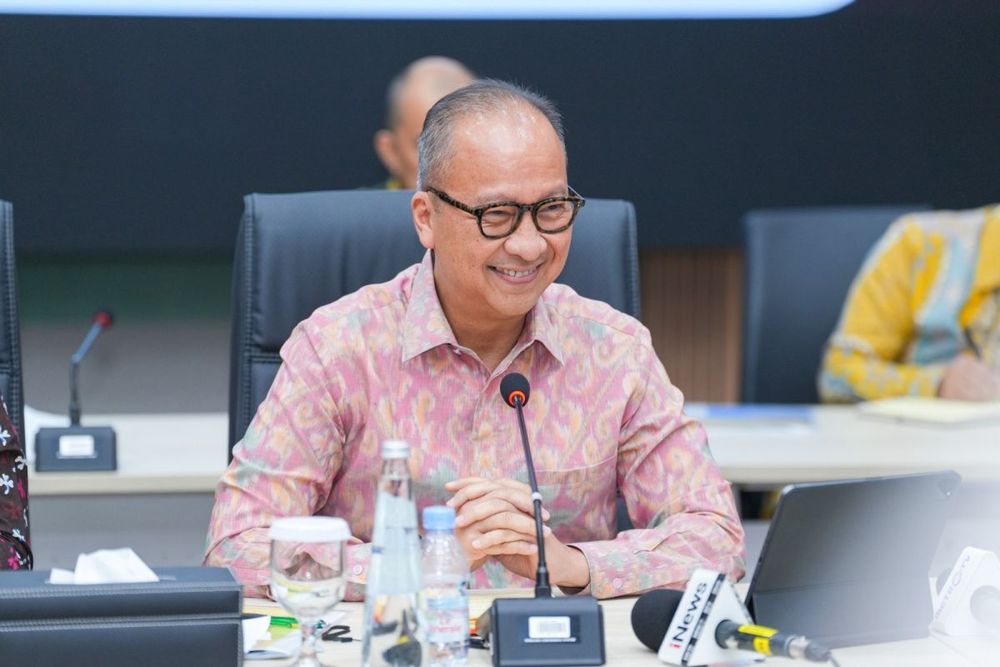
Govt to prioritize EV incentives for national automotive brands
Indonesia will prioritize national automotive brands when distributing electric vehicle incentives, Industry Minister Agus Gumiwang Kartasasmita announced Thursday, marking a strategic shift as the country seeks to strengthen its domestic automotive sector in a market currently dominated by foreign manufacturers.
Speaking to reporters following the National Working Meeting of the Industrial Estate Association in Jakarta on July 30, 2026, Minister Agus confirmed the policy direction but noted that specific criteria defining "national brands" remain under development. The definition could encompass either Indonesian-owned companies or foreign manufacturers meeting minimum domestic component level requirements.
Market context drives policy shift
The announcement comes as Indonesia's electric vehicle market shows modest but growing penetration, with electrified vehicles representing approximately 5-7% of total new vehicle sales in 2026 and projected unit sales of 55,000-70,000 vehicles for the year. However, the market remains heavily import-dependent, with an estimated 70-80% of battery electric vehicles sold in Indonesia supplied through imports.
Chinese manufacturers have established dominant positions in the Indonesian EV market, with SAIC holding 31.6% market share and BYD controlling 29.7%, together accounting for over 60% of all battery electric vehicle sales from early 2020 through mid-2025. This competitive landscape underscores the government's rationale for prioritizing domestic production capacity.
Indonesia is Southeast Asia's largest automotive market, with annual total vehicle sales of approximately 1.0-1.1 million units in 2026. Between January and April this year, national vehicle sales reached 289,787 units, representing a 12% increase compared to the same period in 2025.
National car project advances
The prioritization policy aligns with the 2027 Macroeconomic Framework and Fiscal Policy Principles, which integrate national car and motorcycle development into Indonesia's broader industrialization strategy. According to government policy documents, the national car project aims to enhance automotive industry independence, strengthen domestic supply chains, boost manufacturing value addition, and create high-quality local employment.
To support this ecosystem, the government plans to establish a 412-hectare national car industrial area in Subang, West Java, which entered the pre-feasibility study and prototype pre-design phase in 2026. The location offers strategic advantages, situated approximately 40 kilometers from Patimban Port, which has planned container capacity of 7 million TEUs and an automotive terminal capable of handling 600,000 vehicles annually, with toll road connections to major industrial hubs.
Funding for the medium-term initiative is expected to involve Danantara, the sovereign wealth fund launched in February 2025 that manages approximately US$900 billion in assets from seven state-owned enterprises and was modeled after Singapore's Temasek. Private sector partners and cross-ministerial cooperation will also contribute to financing.
President Prabowo Subianto announced in July 2026 that the government is preparing subsidies for 100,000 electric cars and 100,000 electric motorcycles this year, with the national electric motorcycle brand and manufacturer scheduled for announcement on August 13, 2026.
Electric motorcycle program gains traction
While the national car project remains in early planning stages, the electric two-wheeler initiative has achieved operational progress. Focused on specialized operational and tactical applications, the national electric motorcycle program led by state defense firm PT LEN reached a significant milestone in April 2026 with national distribution of 3,000 units under its initial deployment phase. Phase two contracts are nearing finalization.
Under Indonesia's domestic component level framework, known as TKDN (Tingkat Komponen Dalam Negeri), products must contain minimum percentages of local content, with government procurement prioritizing items achieving at least 40% TKDN. This framework may inform how "national brand" criteria are ultimately defined in the EV incentive policy.
Infrastructure challenges remain
Despite ambitious policy goals, officials acknowledge ongoing structural obstacles. Indonesia had only 2,500-3,500 public charging points operational in 2026, concentrated primarily in Java and Sumatra, creating a critical bottleneck that limits EV adoption outside major urban centers.
Government officials recognize additional hurdles including achieving viable economies of scale, accelerating technology transfers, and ensuring domestic EV products remain competitive internationally as Indonesia works to transform policy aspirations into market reality.