
Indonesia Develops Comprehensive Child Protection Guidelines for Islamic Boarding Schools
The Ministry of Religious Affairs is finalizing 2026 Child-Friendly Islamic Boarding School Guidelines following a two-day stakeholder meeting in Jakarta, aiming to strengthen violence prevention systems across Indonesia's approximately 43,000 pesantren institutions.
Indonesia Develops Comprehensive Child Protection Guidelines for Islamic Boarding Schools
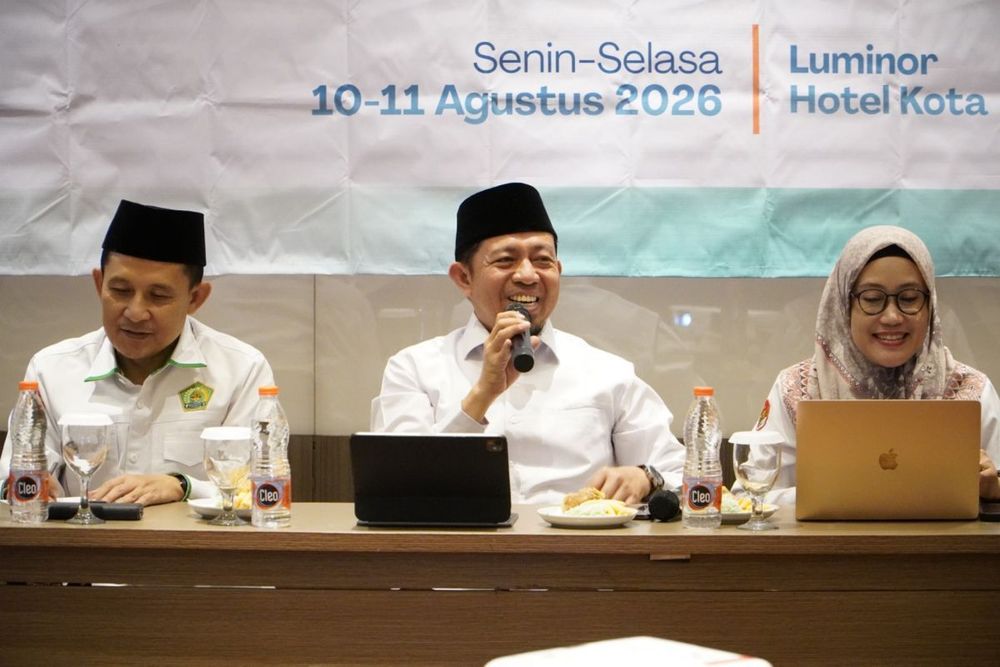
The Indonesian Ministry of Religious Affairs is finalizing comprehensive guidelines to establish child-friendly environments across the nation's Islamic boarding schools, known as pesantren, following a two-day consultation with key stakeholders in Jakarta on August 10-11, 2026.
The 2026 Child-Friendly Islamic Boarding School Guidelines will serve as a national reference for strengthening violence prevention systems and protecting students in pesantren, which educate roughly 7 million students across approximately 43,000 institutions nationwide. These residential Islamic educational institutions function as 24-hour care environments, distinguishing them from other educational institutions and creating unique child protection challenges.
Ensuring the safety and protection of students must be part of our efforts to build child-friendly pesantren. The boarding school must be a safe and comfortable place to learn, providing students with the space to grow and develop to their full potential.
said Basnang Said, Director of Pesantren at the Ministry of Religious Affairs, during the consultation meeting.
The guidelines development comes amid growing government focus on pesantren oversight. In 2026, pesantren affairs were elevated to a directorate general level within the Ministry of Religious Affairs, reflecting increased prioritization of Islamic boarding school governance.
Broad Stakeholder Collaboration
The consultation brought together representatives from multiple government agencies and organizations to ensure a comprehensive approach. Participants included the Indonesian Child Protection Commission (KPAI), an auxiliary state institution established to enforce children's rights in accordance with the Constitution and the Convention on the Rights of the Child, alongside the Coordinating Ministry for Human Development and Cultural Affairs, the Ministry of Women's Empowerment and Child Protection, and the Criminal Investigation Agency of the Indonesian National Police.
Major Islamic organizations also participated, including representatives from Majelis Masyayikh, Rabithah Ma'ahid Islamiyah Nahdlatul Ulama, and the Pesantren Development Agency of Muhammadiyah. Nahdlatul Ulama and Muhammadiyah, Indonesia's two largest Islamic organizations founded in 1926 and 1912 respectively, maintain extensive networks of pesantren and educational institutions throughout the country. The Pesantren Commission of the Indonesian Ulema Council, pesantren representatives, and child protection advocates also attended.
Part of Broader National Initiative
The guidelines form part of a larger government effort to address child safety in educational settings. In July 2026, the Indonesian government launched the National Movement for Safe and Comfortable Spaces for Children (RANA) at Islamic boarding schools, collaboratively led by multiple ministries and major Islamic organizations including Nahdlatul Ulama and Muhammadiyah.
According to Basnang, the Ministry involved various parties in drafting the guidelines because strengthening student safety requires collective effort.
Child protection in pesantren is not solely the responsibility of caregivers or educational institutions. It requires an ecosystem involving the government, community organizations, law enforcement agencies, communities, and pesantren residents.
he explained.
Prevention-Focused Approach
The guidelines will emphasize prevention rather than merely responding to problems after they occur. The framework is designed to help pesantren identify potential risks, prevent violence and other acts that could endanger students, while ensuring protection mechanisms are available when problems arise.
Basnang stressed that strengthening protection systems must align with pesantren character and traditions.
We want efforts to strengthen student protection to grow from the noble values of pesantren. Caregiving traditions, education, exemplary conduct, and respect for students' dignity must become strengths in building a safeguarding system in pesantren.
he said.
The guidelines are positioned as an essential component of pesantren governance, with boarding schools expected not only to provide quality education but also to ensure every student learns and grows in a safe environment.