
Indonesia launches specialist medical programs in 11 provinces to address doctor shortage
President Prabowo Subianto announces expansion of specialist medical education to 11 provinces as Indonesia faces critical shortages of doctors, with 474 districts requiring 84,781 additional general practitioners and eastern regions particularly underserved.
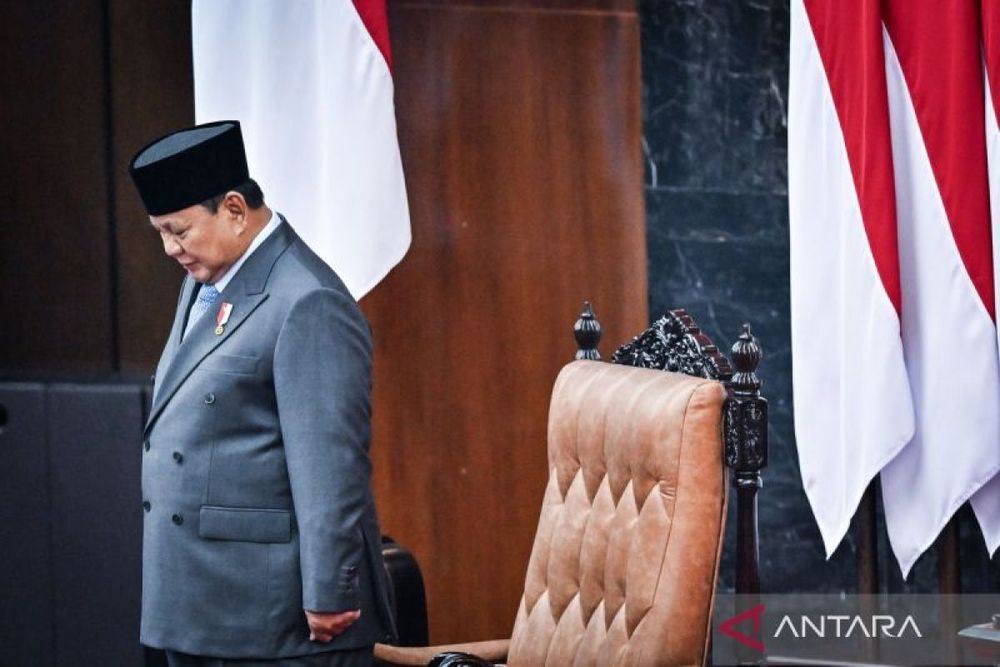
Indonesia expands specialist medical education to 11 provinces
Indonesian President Prabowo Subianto announced Friday that the government has launched specialist medical study programs in 11 provinces to address critical shortages of doctors across the archipelago, where approximately 6,000 inhabited islands stretch 5,150 kilometers from east to west.
Speaking at his annual State of the Nation Address at the Parliament Complex in Jakarta, Prabowo said the programs mark the first time such specialist education has been made available outside traditional medical centers. The expansion includes 160 new study programs — 128 specialist and 32 subspecialist education programs — offering 8,650 seats across the provinces.
The initiative responds to severe shortages documented by the Ministry of Health. According to government data, 474 districts and cities require an additional 84,781 general practitioners, while 505 districts and cities need 127,580 dentists and 481 districts and cities lack 55,712 specialist doctors.
Production falls far short of needs
Indonesia currently produces approximately 2,700 medical specialists annually, far below the ideal requirement of 32,000 per year identified by the Ministry of Health. As of December 2023, the country had 47,454 specialist doctors, yielding a ratio of 0.17 specialists per 1,000 population — well below the approximately 78,000 specialists needed to serve the nation's 280 million people adequately.
The World Health Organization recommends a ratio of at least one doctor per 1,000 people, yet Indonesia's overall doctor-to-population ratio stands at approximately 0.47 per 1,000, among the lowest in Southeast Asia. The Ministry of Health projects that without intervention, Indonesia will face a shortage of approximately 65,000 medical specialists by 2032 as demand rises with population growth and increasing disease burdens.
Eastern regions face acute challenges
The president emphasized that shortages are most severe in districts and cities in eastern Indonesia, particularly those far from provincial capitals. In Maluku Province, for instance, 65 percent of 207 primary health centers lack physicians, while 49 percent lack midwives.
Nationwide, only 78.1 percent of public hospitals have a complete set of the seven basic medical specialist types, including radiology, anaesthesiology, clinical pathology, surgery, paediatrics, obstetrics and gynecology, and internal medicine.
With that in mind, we need to find a solution. It is crucial that we produce more specialist doctors, dentists, and general practitioners
Prabowo told the joint session of the People's Consultative Assembly, House of Representatives, and Regional Representatives Council marking Indonesia's 81st Independence Day.
Broader medical education strategy
Over the past 21 years, the government has opened nine medical schools and 170 specialist and subspecialist study programs in collaboration with universities and hospitals. The current expansion builds on this foundation.
Prabowo is also partnering with Imperial College London to develop 10 new universities focused on medicine, dentistry, pharmacy, science, and technology, with support for curriculum development and teaching standards.
Additionally, the government plans to renovate 10,000 community health centers starting in 2027, with each facility receiving approximately IDR 4 billion for improvements. Priority will be given to remote and underserved areas.
The president stressed that expanding medical education capacity is essential to improving access to adequate health services, particularly in underserved regions. In the afternoon session, he presented the State Budget Draft for the 2027 Fiscal Year to support these and other national priorities.