
Indonesia detects 13,297 suspected leprosy cases through expanded national screening program
Indonesia's Ministry of Health identified 13,297 suspected leprosy cases among 25.2 million participants in the 2026 Free Health Screening program, as the country intensifies efforts to eliminate the disease by 2030.
Indonesia detects 13,297 suspected leprosy cases through expanded national screening program
Indonesia's Ministry of Health has identified 13,297 suspected leprosy cases among 25.2 million participants screened under the 2026 Free Health Screening (CKG) program, as authorities expand detection efforts for the disease that continues to affect thousands annually.
The screening results represent a significant portion of the country's annual leprosy burden. Indonesia, which ranks third globally in leprosy cases after India and Brazil, typically reports between 14,000 and 15,000 new cases each year, indicating ongoing transmission despite control efforts.
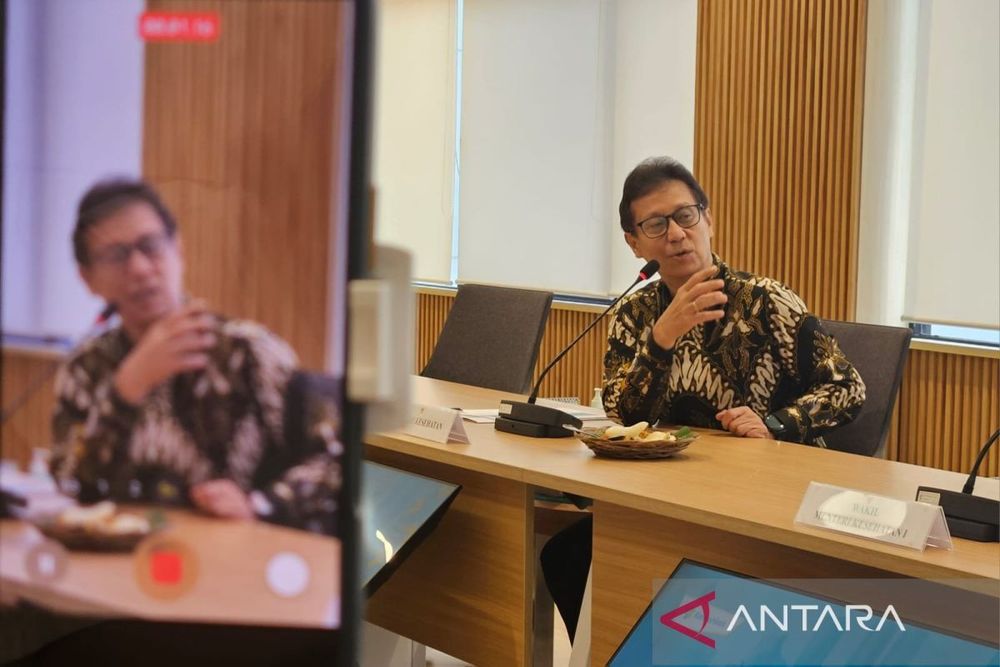
Health Minister Budi Gunadi Sadikin announced the findings in Jakarta on Tuesday, emphasizing that persistent stigma surrounding leprosy remains a major obstacle to early detection and treatment. The ministry added screenings for leprosy, scabies, and yaws to the nationwide CKG program starting in 2026 to accelerate disease elimination in Indonesia.
Because of the stigma, people hesitate, even though it can easily be detected through the CKG program
Sadikin said, noting that many still view leprosy as a curse rather than a treatable medical condition.
The minister highlighted the severity of social discrimination, citing an example in Makassar where leprosy patients gather in a dedicated building after their own families rejected them. He described this as a situation that plays out across Indonesia, underscoring the human cost of misconceptions about the disease.
Despite the persistent stigma, leprosy is transmitted primarily through respiratory droplets from untreated infected persons during prolonged close contact and is not highly contagious. Over 95 percent of the human population has natural immunity to the disease.
Effective treatment available
Sadikin emphasized that antibiotic treatments for leprosy are readily available and highly effective. Multidrug therapy consists of a combination of rifampicin, dapsone, and clofazimine, with treatment lasting six months for less severe cases and 12 months for more advanced infections. Patients become non-infectious within days of starting treatment, ensuring that recovered patients can no longer transmit the disease.
The expanded screening also identified 21,079 suspected cases of scabies among 25.4 million participants aged one and older, alongside 2,293 suspected cases of yaws among 21.3 million participants in the same age group, according to Maria Endang Sumiwi, the Ministry of Health's Director General of Primary and Community Health.
Comprehensive elimination strategy
To expand detection coverage beyond adding leprosy screening to the CKG program, the ministry will roll out PCR testing across eastern Indonesia. The government will also ensure patients receive complete treatment until fully cured, with durations lasting either six or 12 months depending on the severity of infection.
Third, we will administer preventative treatment to all close contacts, including their family members
Sadikin said, emphasizing the government's commitment to eliminating the infectious disease by 2030.
Indonesia's 2030 elimination goal aligns with the World Health Organization's current global leprosy strategy, 'Towards Zero Leprosy,' which runs from 2021 to 2030. The WHO has redefined elimination as interruption of transmission with a target of zero new locally acquired cases, moving beyond the previous definition of achieving a prevalence rate of less than one case per 10,000 population established by the World Health Assembly in 1991.
The minister called on media organizations to participate in educating the public about the benefits of the CKG program for ensuring a healthy lifestyle, recognizing that public awareness remains crucial to overcoming the barriers created by stigma and expanding access to early detection and treatment.