
Indonesia to phase out subsidized Pertalite access for highest income earners
Finance Minister Purbaya Yudhi Sadewa announced plans to gradually restrict purchases of subsidized Pertalite fuel for the wealthiest 20% of Indonesians, directing them to non-subsidized alternatives as part of efforts to better target the country's Rp210 trillion energy subsidy budget.
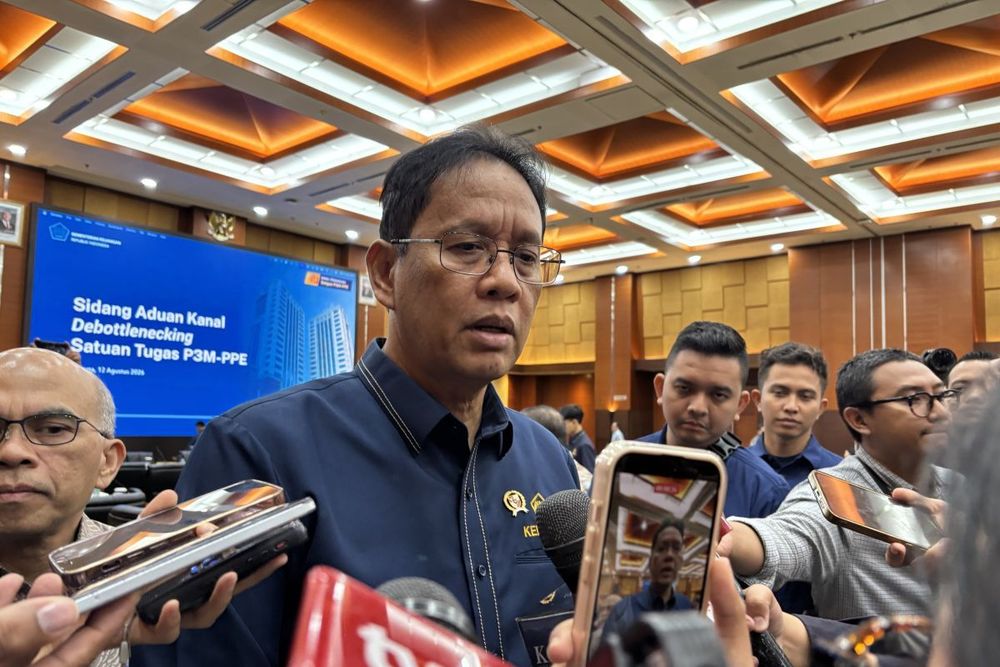
Indonesia to gradually restrict Pertalite for top income groups
Indonesia will implement phased restrictions on subsidized fuel purchases for its highest-earning citizens, Finance Minister Purbaya Yudhi Sadewa announced Wednesday, as the government seeks to address longstanding inefficiencies in the distribution of fuel subsidies worth trillions of rupiah.
The policy targets individuals in the ninth and tenth income deciles—the top 20% of earners—who will be directed away from purchasing Pertalite, a subsidized fuel with a Research Octane Number of 90 designed for vehicles with engine compression ratios between 9:1 and 10:1. These consumers will instead be expected to purchase non-subsidized alternatives such as Pertamax.
Speaking at the Ministry of Finance office in Jakarta, Purbaya emphasized that the measure does not constitute a price increase but rather responds to parliamentary directives to eliminate subsidy leakage.
Let me clarify that prices are not going up. However, when I was at the House of Representatives, I was instructed to ensure that subsidies are better targeted.
Significant price differential for affected consumers
The restrictions will create a substantial cost difference for upper-income motorists. Pertalite currently sells at Rp10,000 per liter (approximately US$0.61), while non-subsidized Pertamax costs between Rp15,950 and Rp16,250 per liter—a difference of roughly 60%.
The government plans to monitor economic impacts carefully as it rolls out the policy incrementally.
We will gradually implement the policy to see the impact. For example, if we stop the top decile, meaning they are no longer allowed to buy Pertalite, what will the impact be on the economy? So, we will do it gradually,Purbaya explained.
Mounting fiscal pressure drives reform
The initiative comes as Indonesia grapples with significant fiscal pressures on its energy subsidy budget. The country allocated approximately Rp210 trillion (US$11.8 billion) for energy subsidies in 2026, including around Rp25.1 trillion specifically for fuel subsidies. The 2026 state budget was constructed on assumptions of oil prices at USD 82 per barrel and an exchange rate near Rp15,300 to the dollar, but global oil price volatility has strained these projections.
This fiscal burden represents a continuation of substantial spending patterns, with Indonesia expending Rp713.5 trillion on energy subsidies in 2024, nearly 90% of which supported fossil fuels including oil, gas, coal, and fossil-fuel-based electricity.
The government has maintained subsidized fuel prices unchanged since implementing a 30% price hike in 2022, choosing to adjust subsidy amounts internally rather than exposing households to retail price increases.
Part of broader subsidy control efforts
The income-based restrictions represent the latest phase in ongoing subsidy reform measures. Starting April 1, 2026, Indonesia implemented a daily purchase limit of 50 liters of subsidized fuel per vehicle through the MyPertamina barcode system to control subsidy distribution.
Energy and Mineral Resources Minister Bahlil Lahadalia visited the Finance Ministry on Tuesday to discuss implementation details, noting that subsidies for oil and gas products had not been adequately targeted, with financially capable individuals still accessing subsidized fuel. The minister stressed the need for improved distribution systems given that hundreds of trillions of rupiah in public funds support energy subsidies.
State energy enterprise PT Pertamina already possesses the technical infrastructure required to execute targeted distribution, with implementation scheduled once all regulatory frameworks are finalized. The government is still finalizing the control mechanism and expects to proceed once necessary systems are fully operational.
Purbaya indicated that managing global oil price volatility requires proactive measures to safeguard the state budget through year-end, making the targeted subsidy approach a fiscal necessity rather than merely a policy preference.