
Indonesia accelerates infrastructure recovery in East Nusa Tenggara following deadly 7.7-magnitude earthquake
Public Works Minister Dody Hanggodo mobilizes emergency response as government works to restore roads, water systems and housing in communities devastated by the August 15 earthquake that killed at least 69 people and displaced thousands across Flores island.
Indonesia accelerates infrastructure recovery in East Nusa Tenggara following deadly 7.7-magnitude earthquake
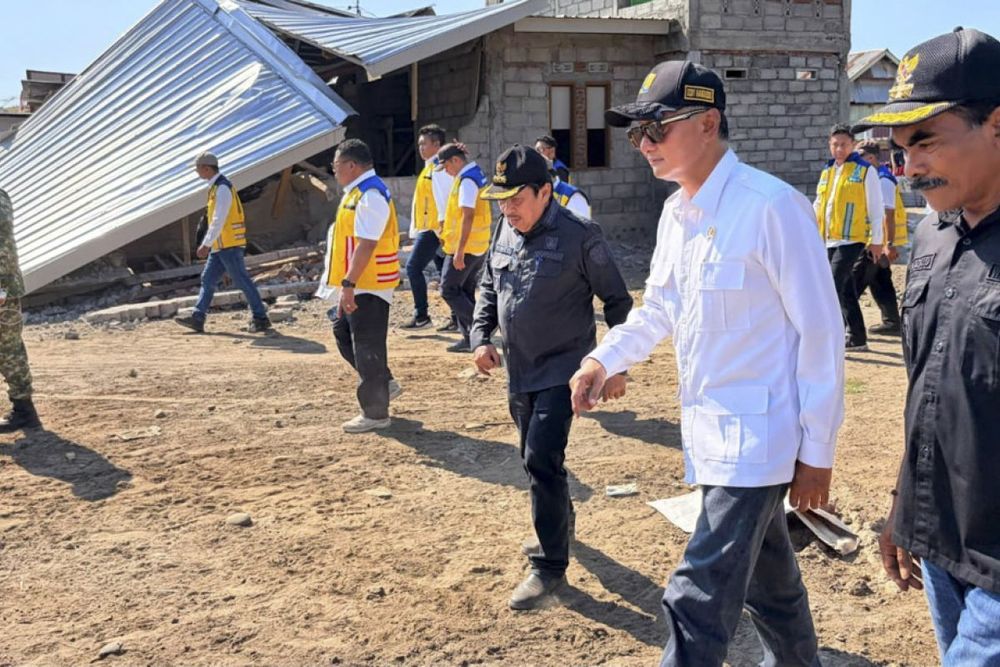
Indonesia's government is rapidly deploying resources to restore critical infrastructure across East Nusa Tenggara following the devastating 7.7-magnitude earthquake that struck at 5:58 a.m. on August 15, killing at least 69 people and injuring 331 others. Public Works Minister Dody Hanggodo personally traveled to the disaster zone to coordinate the emergency response and accelerate recovery efforts.
The earthquake's epicenter was located 68 kilometers north-northwest of Ende city at a depth of 10 kilometers, triggering tsunami waves that reached heights of 1.61 meters and prompting warnings across 22 areas in four provinces. More than 230 aftershocks followed throughout the day, with the strongest measuring magnitude 6.2, complicating rescue operations and threatening further damage to already weakened structures.
Minister Hanggodo emphasized the government's commitment to restoring essential services in affected communities. He stated that when roads become impassable, water supplies cease, schools sustain damage or residents lose their homes, the state bears responsibility for enabling people to rebuild their lives.
The minister visited Nagekeo District, home to approximately 168,355 residents across 1,398 square kilometers, where he inspected damaged buildings and met with evacuees at temporary shelters. More than 5,000 people have been displaced by the disaster, with emergency centers established in public facilities.
Comprehensive infrastructure response
The Public Works Ministry is implementing a multi-faceted recovery program focused on reopening transportation routes, restoring water distribution systems, providing temporary housing and repairing educational facilities. Hanggodo coordinated with Nagekeo District Head Simplisius Donatus, Deputy Head Gratianus Muga Sada and representatives from disaster management, military and search-and-rescue agencies to expedite damage assessments and repairs.
The ministry's East Nusa Tenggara National Road Implementation Agency has deployed personnel and heavy equipment to clear landslides and repair roads and bridges damaged across Flores island. An estimated 1.17 million people experienced strong shaking from the earthquake, with 420,000 feeling very strong shaking and 56,000 enduring severe shaking, resulting in widespread infrastructure damage throughout the region.
East Nusa Tenggara's governor declared a 14-day state of emergency to facilitate coordinated disaster response and resource allocation. The recovery efforts align with four presidential directives from President Prabowo Subianto: upholding constitutional principles, protecting national interests, swiftly addressing citizen hardships and serving current and future generations.
Geographic vulnerability drives response urgency
Indonesia's position on the Pacific Ring of Fire, where the Eurasian, Pacific and Australian tectonic plates converge, makes the archipelago of more than 270 million people spread across roughly 17,000 islands one of the world's most seismically active nations. The same Flores coastline experienced a similar 7.7-magnitude earthquake in December 1992 that killed more than 2,500 people, primarily from the resulting tsunami.
Hanggodo stated that the government measures success by tangible improvements in people's daily lives, noting that the ministry's work continues until water reaches agricultural fields and communities can fully resume normal activities. The comprehensive response reflects lessons learned from previous disasters and aims to build more resilient infrastructure capable of withstanding future seismic events in this geologically volatile region.