
Indonesian lawmakers endorse crackdown on corporate backers of forest fires
Parliament's Commission III supports police efforts to prosecute masterminds and financiers behind Indonesia's forest fires as the country faces a record-breaking fire season with over 107,000 hectares burned in 2026.
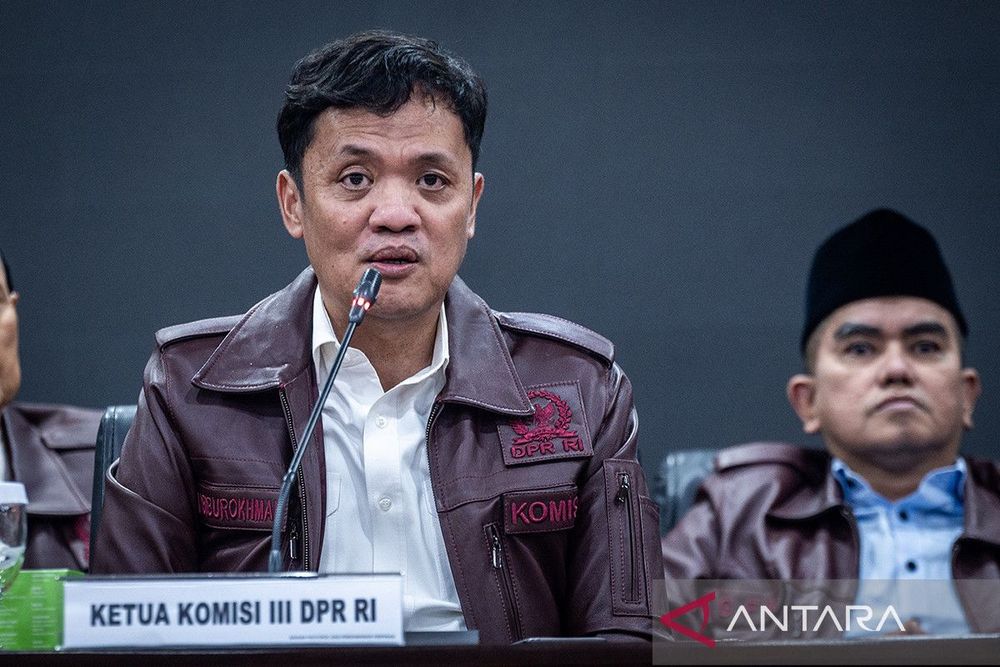
Indonesian lawmakers endorse crackdown on corporate backers of forest fires
Senior Indonesian lawmakers have thrown their support behind police plans to prosecute corporate masterminds and financiers behind forest and land fires, as the country battles its worst fire season on record with more than 107,000 hectares burned in the first half of 2026 alone.
Habiburokhman, head of the House of Representatives' Commission III, said Monday that enforcement must target those profiting from burned land, not just field workers who are often victims or laborers carrying out orders.
"Following the money and taking firm action without exception aligns with the reform agenda for fair law enforcement," Habiburokhman said in a statement in Jakarta.
The endorsement comes as Indonesia grapples with an exceptional fire crisis. The 107,000 hectares burned between January and June represents more than double the area destroyed in all of 2023, according to the Forestry Ministry. Indonesia's disaster management agency has warned that August and September will bring the highest fire risk as the peak dry season arrives.
Record-breaking fire season
Satellite monitoring has detected more than 96,000 fire hotspots across Indonesia by late July, surpassing activity at the same point during the devastating fire seasons of 2019 and 2023. The meteorological agency has attributed the severity to El Niño conditions creating a more intense and prolonged dry season than usual.
West Kalimantan has emerged as the epicenter of the crisis. As of August 9, the province accounted for 28,680 hectares of burned land, representing more than half of the 48,889 hectares destroyed across six priority provinces, according to the national disaster agency.
The police Criminal Investigation Department has named 72 suspects across nine provincial jurisdictions as part of the intensified crackdown. Director Brigadier General Mohammad Irhamni said Sunday the suspects were identified during investigations into 89 police reports.
At least four companies in West Kalimantan are under investigation for allegedly using fire to clear land, facing potential sanctions including revocation of operating permits, according to authorities.
Presidential directive
The enforcement push aligns with President Prabowo Subianto's directive for maximum efforts to stop forest fires. On August 24, during a coordination meeting in Pekanbaru, the president ordered authorities to revoke business permits of corporations suspected of ordering forest fires, stating "I am not playing around."
Suspects face severe penalties under Indonesian environmental protection law, including prison terms of up to 15 years and fines reaching 10 billion rupiah (566,000 US dollars).
Habiburokhman praised preventive measures by police, including construction of 1,296 reservoirs and 834 canal blocks in fire-prone areas, calling them "tangible evidence of precision policing that directly helps mitigate the annual smoke disaster."
Economic and regional impact
The fires carry enormous economic consequences. World Bank assessments found that Indonesia's 2015 fires cost 16.1 billion US dollars, equivalent to 1.9 percent of GDP, while the 2019 fires caused 5.2 billion dollars in damages and economic losses.
The transboundary impact has also drawn regional concern. More than 100 schools in Malaysia's Sarawak state closed in August to protect children from worsening haze caused by fires in neighboring Indonesia.
Commission III will continue supporting and overseeing police efforts, Habiburokhman said, from prosecuting environmental offenders to pursuing sustainable mitigation measures to protect communities and ecosystems.