
Indonesia deploys advanced labor market data system to bridge 30-40% skills gap
Indonesia's Manpower Ministry strengthens its Labor Market Information System with machine learning technology and allocates Rp5.9 trillion for workforce programs, addressing a critical skills mismatch affecting up to 40 percent of graduates.
Indonesia deploys advanced labor market data system to bridge 30-40% skills gap
Indonesia is rolling out enhanced labor market intelligence infrastructure to tackle a persistent gap between graduate skills and employer requirements, with the nation's workforce facing a skills mismatch rate of 30 to 40 percent, according to Manpower Minister Yassierli.
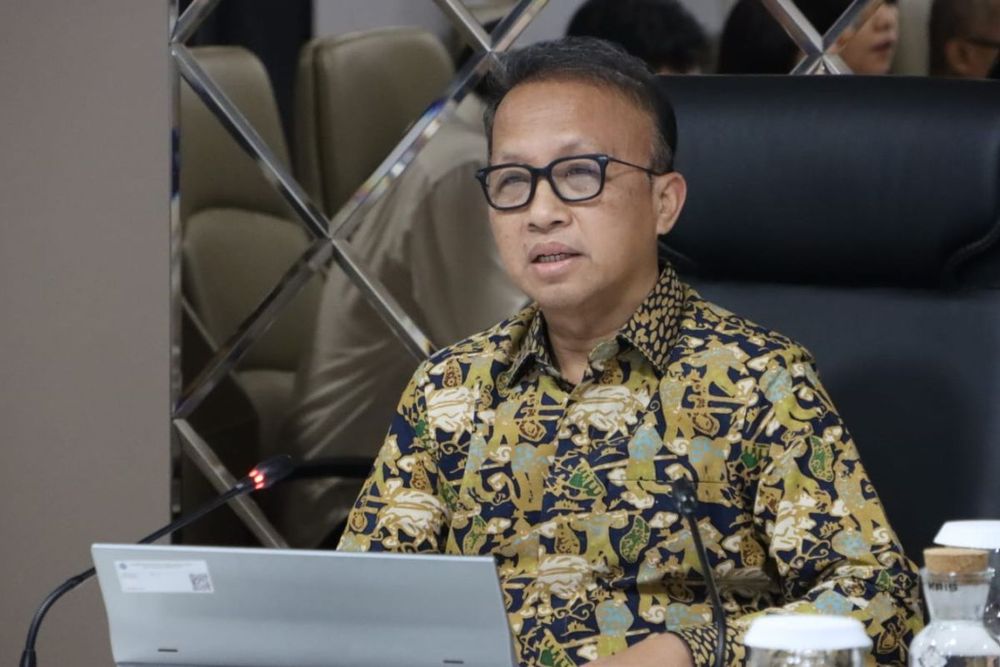
The Ministry of Manpower is prioritizing upgrades to the Labor Market Information System (LMIS) to provide educational institutions and industry with real-time access to labor demand data, Head of the ministry's Planning and Development Agency Anwar Sanusi said on Monday.
The system, managed by the ministry's Labor Market Center (Pasker ID), operates on a comprehensive framework integrating training, certification, and job placement through machine learning technology. This approach enables more precise matching between job seekers and employers while addressing misalignments between educational outputs and industry needs.
The challenge is particularly acute among younger workers, with youth unemployment (ages 15-24) reaching 16.26 percent in November 2025, more than three times the overall unemployment rate of 4.74 percent. The urgency is further underscored by Indonesia's digital skills shortage, with only 0.8 percent of the national workforce holding ICT qualifications and a projected shortfall of 9 million digital professionals by 2030.
Major investment in workforce development
The government has committed Rp5.9 trillion (approximately US$317 million) to workforce programs in 2026, with Rp4.2 trillion allocated to the National Internship Program (MagangHub) and Rp1.7 trillion dedicated to vocational training covering 300,000 training slots.
The scale of demand for these programs is substantial. MagangHub's second batch received 300,000 applications for 50,000 positions in July 2026, reflecting a six-to-one competition ratio. The program's first phase, which concluded in April 2026, successfully placed 11,949 fresh graduates with 1,185 participating companies, supported by 5,267 mentors providing six months of structured professional experience.
Sanusi emphasized that the LMIS displays comprehensive information on job openings, job fairs, and training programs, creating a centralized channel for job seekers to enhance skills and secure employment. The platform compiles labor market data from the private sector while enabling policymakers to identify and address specific skill shortages.
Long-term modernization strategy
The current initiatives build on Indonesia's sustained efforts to modernize workforce infrastructure. Since 2019, the government has rolled out LMIS tools including AyoKitaKerja and KarirHub, developed with World Bank support to meet international standards for job intermediation.
These efforts are formalized under Presidential Regulation Number 68 of 2022 on TVET revitalization and the National Strategy for TVET Reform (Stranas Vokasi), which incorporates labor market information system development as a core policy component.
Beyond the link-and-match strategy, Sanusi noted the ministry is modernizing vocational education, forecasting future skill needs, and expanding the MagangHub program. The internship initiative is designed to guide graduates through structured learning processes in real work environments, with evolving monitoring and evaluation systems involving both educational institutions and companies.
The scale of Indonesia's labor market underscores the importance of these interventions. As of February 2026, the country had a labor force of 154.91 million people with 147.67 million employed, according to Statistics Indonesia (BPS). The ministry's data-driven approach aims to ensure this workforce can effectively meet evolving industry demands in an increasingly digital economy.