
Indonesia's parliament aims to complete mineral exchange regulations by year-end
Indonesia's House of Representatives expects to finalize regulations for a planned mineral and strategic commodities exchange in 2026, ahead of the government's January 2027 launch target for the new trading platform.
Indonesia's parliament aims to complete mineral exchange regulations by year-end
Indonesia's House of Representatives expects to complete regulations for a planned mineral and strategic commodities exchange this year, supporting the government's target to launch operations on January 1, 2027.
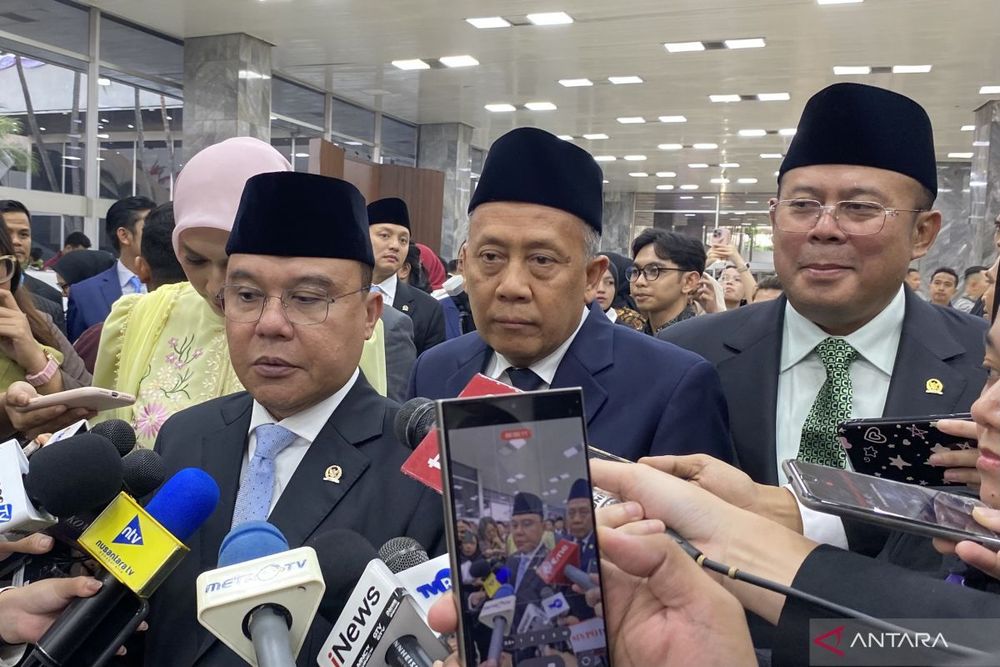
Deputy House Speaker Sufmi Dasco Ahmad confirmed the timeline after attending a plenary session on the 2027 state budget in Jakarta on Friday. "It must be this year," Dasco said when asked about the regulatory framework.
The government may request parliamentary meetings to discuss the drafting mechanism, he added. "We will determine whether this is a government or parliamentary proposal and follow the appropriate mechanism," Dasco said, noting that non-urgent measures could be processed swiftly.
Presidential push for new exchange
President Prabowo Subianto has set January 1, 2027, as the operational launch date for the Mineral and Strategic Commodities Exchange. In presenting the government's 2027 budget proposal, Prabowo urged parliament to expedite discussions and issue the necessary regulations.
"With parliament's support, we plan to have our own commodities exchange on Jan. 1, 2027," the president said, describing the exchange as the next step in the government's single-gate export policy. The plan has been coordinated with the Financial Services Authority (OJK), which will supervise the new platform.
The exchange will complement Indonesia's existing Indonesia Commodity and Derivatives Exchange (ICDX), established in 2009, which trades gold, crude oil, crude palm oil and tin. The new exchange will focus specifically on minerals and strategic commodities, with palm oil, nickel and coal expected to be among the traded products.
Challenging overseas price dominance
Indonesia has been a major producer of strategic commodities for decades, including palm oil, nickel, tin, coal, coffee and rubber. The country accounts for 54% of global palm oil exports, producing 47 million tonnes of crude palm oil in 2023. Indonesia also dominates global nickel production, accounting for approximately 54% of worldwide mine output with 2.6 million tonnes produced in 2025. In coal, Indonesia exported approximately 514 million tonnes in 2025, making it the world's largest coal exporter.
Despite this production dominance, prices for many Indonesian commodities have largely been determined by overseas commodity exchanges. "It makes no sense for those without the commodities to determine their prices," Prabowo said, arguing that producers should have greater influence over pricing.
The new exchange aims to establish Indonesian reference prices for major export commodities by bringing together producers, farmers, exporters, buyers and investors on a supervised platform. Greater transaction transparency should help reduce opportunities for fraud, according to the president.
Broader resource nationalism strategy
The commodity exchange forms part of President Prabowo's broader downstreaming policy, which requires foreign investors to process minerals domestically rather than export raw materials. This approach continues policies initiated by his predecessor Joko Widodo, who banned raw nickel ore exports in 2020.
In May 2026, Prabowo announced a single-gate export policy requiring all coal, palm oil and nickel exports to flow through state-owned enterprise Danantara Sumberdaya Indonesia starting June 1, 2026, centralizing government control over commodity exports. The administration has also announced 13 new downstreaming projects with total investment of approximately Rp239 trillion (around US$15 billion) to accelerate mineral processing and strengthen energy independence.
The Financial Services Authority will oversee the new exchange, ensuring regulatory continuity with existing commodity trading oversight structures.