
Brazil offers soybean supply to support Indonesia's expanding free meal program
Brazil has pledged to supply soybeans for Indonesia's Free Nutritious Meals program, which aims to feed 82 million beneficiaries with a Rp335 trillion budget. The world's largest soybean exporter seeks to strengthen trade ties following Indonesia's BRICS membership.
Brazil offers soybean supply to support Indonesia's expanding free meal program
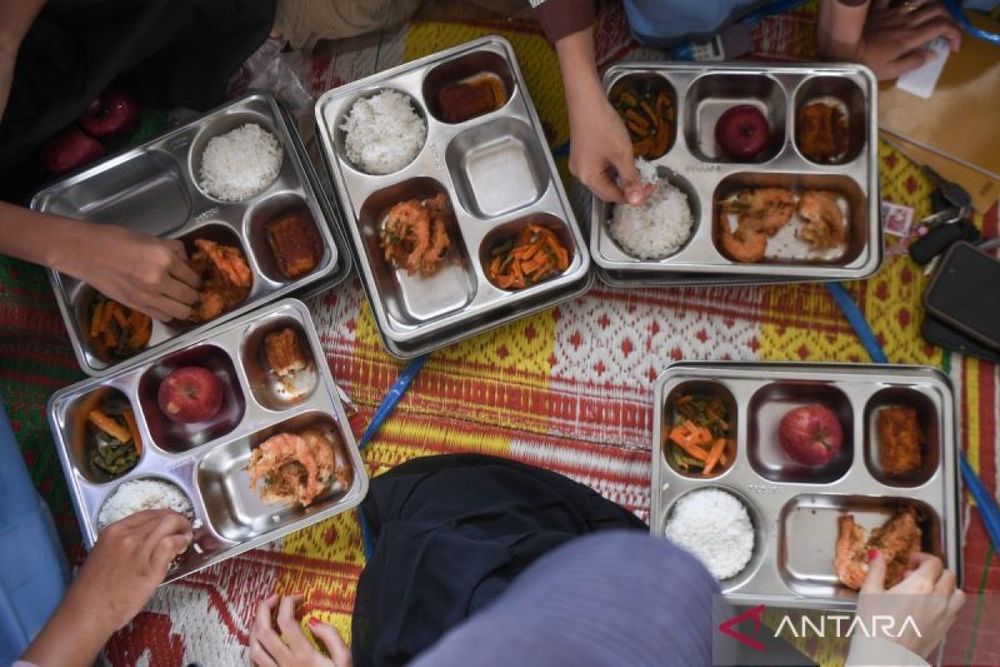
Brazil has committed to supplying soybeans to Indonesia's flagship Free Nutritious Meals (MBG) program, offering the world's largest soybean exporter as a strategic partner for President Prabowo Subianto's ambitious nationwide school lunch initiative.
Carlos Turchetto, Agricultural Attaché at the Brazilian Embassy in Jakarta, announced the pledge at the Brazil Pavilion during the Food & Hospitality Indonesia (FHI) 2026 expo on Tuesday. Brazil, which exports approximately 85-92 million metric tons of soybeans annually and accounts for nearly 40% of global production, positions itself as a reliable supplier capable of meeting Indonesia's growing needs.
"We know that tempeh and tofu are very important menu items in this program, and Brazil is ready to help Indonesia with soybean supplies," Turchetto said, emphasizing competitive pricing and high quality. Indonesia's soybean consumption is forecast at approximately 3 million metric tons for 2025/26, driven primarily by its tempeh and tofu industries. Approximately 50% of Indonesian soybean consumption goes to tempeh production and 40% to tofu, with the average Indonesian consuming 6.95 kg of tempeh and 7.07 kg of tofu annually.
Domestic production meets only about 360,000 tons of this demand, leaving Indonesia dependent on imports of approximately 2.5-2.7 million tons each year. The United States has traditionally supplied roughly 72% of these imports, though Brazil seeks to expand its presence in the Indonesian market.
Turchetto indicated that steady Brazilian soybean imports could help stabilize Indonesia's national reserves and curb domestic price inflation for the essential crop, which underpins key staples in the Indonesian diet.
Expanded food cooperation
The Brazilian Embassy has held extensive discussions with Indonesia's Ministry of Agriculture regarding additional commodity exports beyond soybeans. These talks include potential supplies of beef and poultry to support both the MBG program and broader public food security objectives.
Brazil already serves as a key supplier of halal-certified meat to Indonesia. Three private halal certification bodies in Brazil currently hold recognition from Indonesia's Halal Product Assurance Agency (BPJPH). "Currently, 52 Brazilian companies are approved to export to Indonesia. Just last month, the Indonesian Ministry of Agriculture sent auditors to Brazil to inspect an additional 21 companies," Turchetto noted, expressing confidence that more firms will gain clearance soon.
BRICS membership strengthens ties
Turchetto attributed the strengthening bilateral trade relationship in part to Indonesia becoming a full member of the BRICS bloc on January 6, 2025, making it the first Southeast Asian nation to join the group. Brazil currently holds the BRICS presidency.
"This proximity between countries in forums like BRICS and the friendship between our presidents are very important for trade, because bureaucratic matters become easier for both parties to resolve," he said.
Program scale and implementation
The Indonesian government allocated Rp335 trillion (approximately USD 20 billion) from the state budget for the Free Nutritious Meals program in 2026, targeting approximately 82 million beneficiaries. As of July 2025, the program had reached approximately 7 million beneficiaries, representing about 8% of the national target, indicating significant room for expansion and corresponding demand for food imports.
The Brazilian Embassy hosted 10 businesses at this year's FHI expo, showcasing products including acai, sorbet, wine, and coffee alongside agricultural commodities.