
Indonesia deploys 1,476 academics to strengthen commodity management in transmigration areas
The Ministry of Transmigration sends over 1,400 participants from leading universities to 53 transmigration areas to build integrated value chains for durian, coffee, cocoa, and other commodities, aiming to boost exports and regional productivity.
Indonesia deploys 1,476 academics to strengthen commodity management in transmigration areas
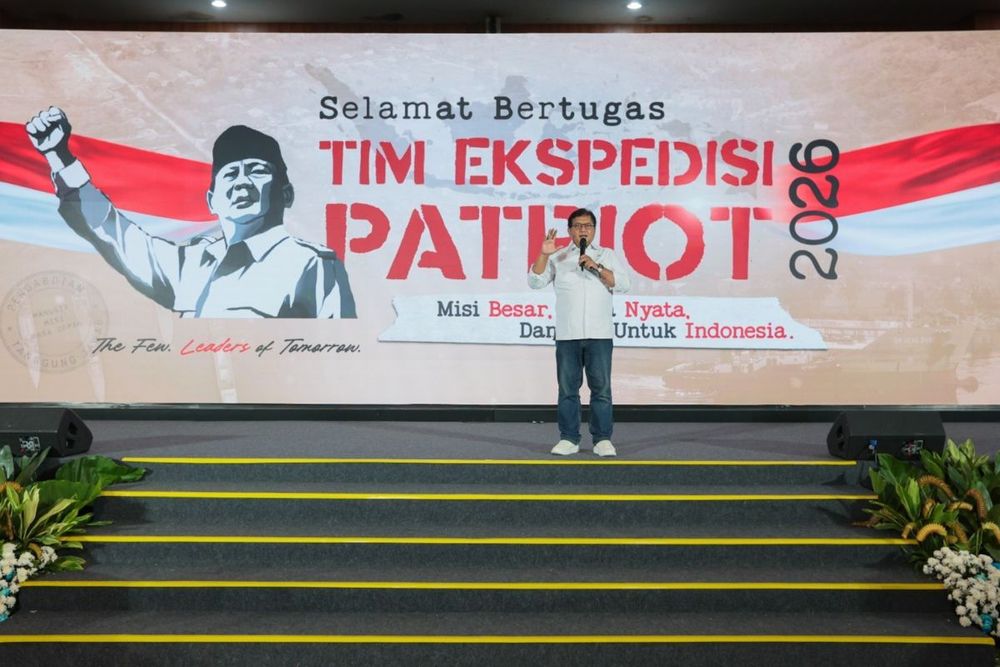
Indonesia's Ministry of Transmigration has deployed 1,476 participants from the 2026 Patriot Expedition Team (TEP) to strengthen the management of leading commodities across 53 transmigration areas nationwide. The initiative follows research conducted during the 2025 program, which involved approximately 2,000 participants, and represents a more focused effort to develop local economic potential.
Deputy Minister of Transmigration Viva Yoga Mauladi announced the deployment on Thursday during a send-off ceremony at Balai Kartini in Jakarta. He explained that the team's mission centers on implementing findings from last year's research to improve commodity value chains in transmigration regions.
The 2026 participants, comprising professors and graduates holding doctoral, master's, and bachelor's degrees, were recruited through partnerships with ten leading Indonesian universities: Universitas Padjadjaran, Universitas Airlangga, Universitas Hasanuddin, Institut Teknologi Sepuluh Nopember, Universitas Indonesia, Universitas Brawijaya, Institut Teknologi Bandung, Universitas Diponegoro, Universitas Gadjah Mada, and IPB University.
Developing integrated value chains
Transmigration areas produce valuable commodities including durian, coffee, cocoa, palm oil, and various agricultural and plantation products. However, these commodities require stronger management across the entire value chain, from cultivation and maintenance through production, post-harvest processing, and market access, according to Mauladi.
The program aligns with President Prabowo Subianto's eight development priorities, known as the Asta Cita, which aim to stimulate development from the village level to improve welfare and drive economic growth. The Ministry of Transmigration was re-established as a standalone entity under Presidential Regulation Number 172 Year 2024, reflecting renewed government focus on these regions.
Several commodities from transmigration areas have already entered international markets through the Trans Karya Nusa flagship program launched in 2025. Cocoa beans from Polewali Mandar District, where smallholder farmers have cultivated cocoa since the 1980s, are now exported to Yokohama, Japan. Durian from Parigi Moutong District has found markets in China.
Economic impact projections
Research conducted by the Patriot Expedition Team projects that integrated area development could generate an additional Rp85 trillion to Rp120 trillion (approximately US$5.2 billion to US$7.4 billion) in annual export value. The ministry estimates regional economic productivity could increase between Rp320 trillion and Rp410 trillion per year.
In the Lembantongoa Transmigration Area in Sigi District, Central Sulawesi, coffee production averages around 200 kilograms per month, sold at approximately Rp65,000 per kilogram. During peak harvest season, monthly production reaches 300 kilograms. Current demand includes one ton of roasted robusta coffee and 200 kilograms of Arabica coffee, with the ministry estimating demand could increase to two tons monthly within the next one to two years.
Broader transmigration legacy
Indonesia's transmigration program has fundamentally transformed the country's administrative structure, creating 1,567 villages, 466 sub-districts, 116 districts and cities, and three provincial capitals: Mamuju City in West Sulawesi Province, Tanjung Selor in North Kalimantan Province, and Merauke in South Papua Province. The historical program relocated more than 8.5 million people from densely populated areas, primarily Java, to outer islands including Sumatra, Kalimantan, the Moluccas, and West Papua between 1969 and 1994.
The ministry has also signed a memorandum of understanding with the Ministry of Marine Affairs and Fisheries to strengthen community empowerment programs in coastal transmigration areas, expanding development efforts beyond agriculture and plantations to include marine commodities such as blue swimming crab exports to the United States.
Mauladi expressed hope that the Patriot Expedition Team would help stimulate economic, social, and cultural activities while improving the quality of human resources in transmigration regions. He emphasized the importance of encouraging innovation and creativity to maximize the potential of locally produced commodities.