
Indonesia Names 39 Suspects in Major Rice Fraud Crackdown
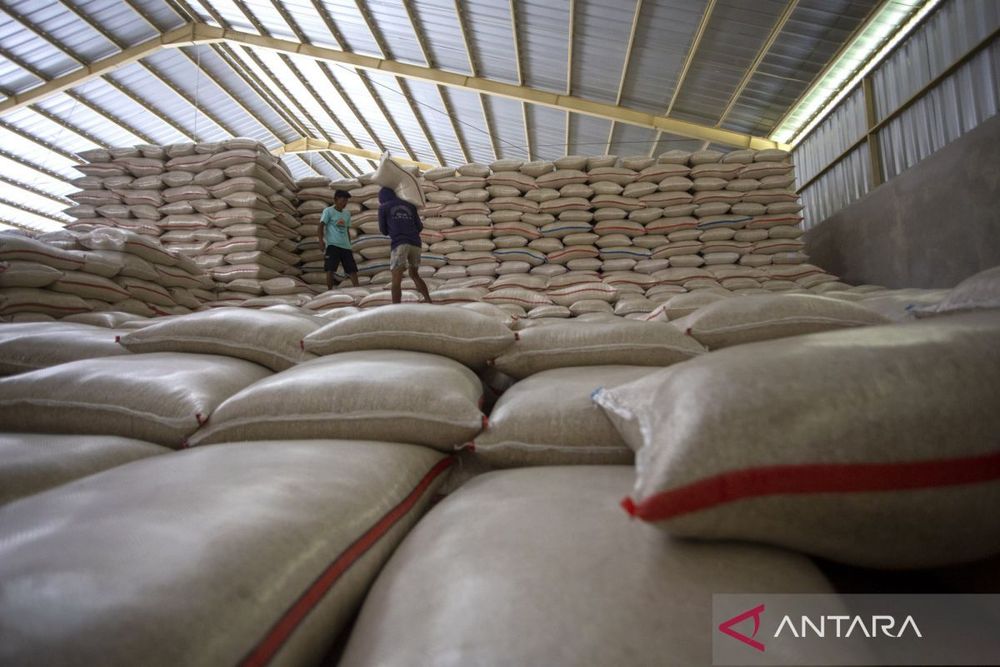
Indonesia's Food Task Force names 39 suspects in rice fraud crackdown
Indonesia's Food Task Force has named 39 suspects in 38 cases linked to alleged irregularities in the rice sector, Agriculture Minister Andi Amran Sulaiman announced on Sunday, marking a major escalation in the government's campaign to dismantle food cartels.
The crackdown comes as Indonesia pursues national food self-sufficiency, having banned all rice imports for 2026 and declared record rice stocks of 5.23 million tonnes in June, the highest level in the country's history. Food security has been a central priority for President Prabowo Subianto's administration since his inaugural speech in October 2024.
Expanding inspections to combat unfair trade practices
Speaking in Jakarta, Amran said the government was expanding inspections of fortified rice and other rice products to combat unfair trade practices and ensure consumers receive quality food at fair prices. The investigation follows systematic monitoring that began in April 2026, when the National Food Agency collected 15 samples across 15 brands from nine producers in Jakarta, with laboratory testing revealing widespread labeling violations.
"The public keeps asking where the suspects are. They have been identified, and the legal process is under way. The state must not lose to practices that harm the people," Amran said.
Massive public losses estimated
Government inspections indicated alleged irregularities involving fortified rice could have caused public losses of approximately 71 trillion rupiah (US$4.34 billion), while suspected violations involving premium rice were estimated at around 98 trillion rupiah (US$5.99 billion). The scale of the problem first gained national attention in July 2025, when President Prabowo stated that fraudulent rice mixing practices were costing the Indonesian public nearly 100 trillion rupiah (US$6.12 billion) annually.
The minister said authorities were working with the National Food Agency, the National Police's Food Task Force, regional administrations, and law enforcement agencies to examine quality, nutritional content, legal compliance, and pricing across rice samples collected nationwide.
Part of broader anti-cartel campaign
The current crackdown represents the latest phase in an ongoing multi-year enforcement campaign. In November 2025, Indonesia revoked 2,229 permits in a broader offensive against food mafia. The anti-cartel drive extends beyond rice: in June 2026, the National Police Food Task Force launched a parallel investigation into suspected cartel practices in palm oil pricing.
The aggressive enforcement reflects President Prabowo's directive to improve food trade governance, eliminate food cartels, and safeguard the public's right to affordable, high-quality food. The stakes are particularly high given that Indonesian rice prices are structurally 30 to 40 percent above world market levels, with production costs per kilogram 2.5 times higher than Vietnam's, according to research from the Institute for Economic and Social Research at Universitas Indonesia.
Amran, who previously served as Agriculture Minister from 2014 to 2019 under President Jokowi and successfully achieved rice self-sufficiency in 2017, 2019, and 2020, was reappointed in October 2023 and retained in the Prabowo administration. His experience navigating Indonesia's complex rice sector adds weight to the current enforcement actions.
Youth organizations pledge support
Several youth and student organizations voiced support for the campaign during Sunday's event. Hanif Caniago, chairman of the Central Executive Board of Pemuda Hidayatullah, said his organization was prepared to support the Agriculture Ministry's efforts.
"We believe the minister has the courage to defend the public interest, and we will help ensure the policy is implemented effectively for the benefit of society," he said.
Ida Rahayu, a member of the Indonesian Association of Livestock Student Senates, emphasized that tackling alleged fraud involving fortified rice was crucial because farmers and consumers both feel the direct impact.
"Decisive government action is necessary because unresolved irregularities will harm not only consumers but also farmers," she said, adding that students were ready to support policies benefiting small-scale farmers and livestock producers.
Tommy Suswanto, chairman of the National University Student Executive Board Alumni Association, called combating food cartels a shared responsibility requiring cooperation across all sectors of society.
"We share the minister's view. Food cartels that damage the national economy must be eradicated together," he said.