
Indonesia launches 40,000-village aquaculture expansion to boost protein production and exports
The government will roll out a nationwide aquaculture program in 2026 covering 40,000 villages to increase protein self-sufficiency, improve rural livelihoods and expand fish and shrimp exports as part of President Prabowo's 2028 food security goals.
Indonesia launches 40,000-village aquaculture expansion to boost protein production and exports
Indonesia will launch a massive aquaculture expansion program in 2026 targeting 40,000 villages nationwide to strengthen protein self-sufficiency, enhance rural incomes and boost exports of fish and shrimp.
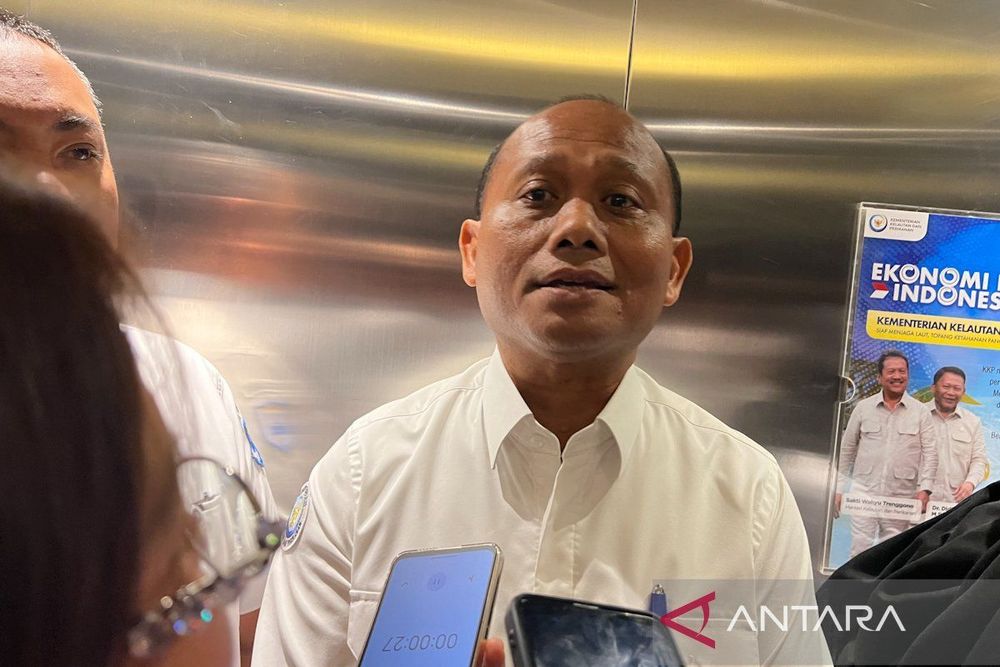
Aquaculture Director General Haeru Rahayu announced Wednesday that the Marine Affairs and Fisheries Ministry is coordinating with the Home Affairs Ministry, Villages Ministry and regional governments to implement the initiative.
The program represents a significant expansion for Indonesia, already the world's fourth-largest aquaculture producer with an 11.59% share of global production. The sector has demonstrated remarkable growth, expanding from approximately 994,000 metric tons in 2000 to 14.6 million metric tons in 2021, achieving an annual growth rate of 13.65% that outpaces both regional and global averages.
The 40,000-village target encompasses more than half of Indonesia's approximately 75,000 rural villages, home to roughly 115 to 120 million people or about 43 to 44% of the national population.
Rahayu emphasized that the aquaculture village initiative differs from the Red and White Fishing Villages program, which concentrates on strengthening the capture fisheries sector.
This initiative is not part of the KNMP program,he said, referring to the fishing villages program.
Food Self-Sufficiency Goals
The aquaculture expansion aligns with President Prabowo Subianto's broader food self-sufficiency agenda, which aims for complete food independence by 2028. Indonesia has already declared self-sufficiency in eight commodities including rice, corn, sugar, chilies, shallots, chicken eggs and chicken meat as of June 2026.
Coordinating Minister for Food Affairs Zulkifli Hasan highlighted the program following a meeting with Fisheries Minister Sakti Wahyu Trenggono in Jakarta on Tuesday.
We held a coordination meeting to oversee and support the Red and White Fishing Villages program and plans to develop aquaculture in 40,000 villages,Hasan said.
The initiative addresses nutritional needs in a country where average daily protein consumption stands at 61.7 to 62.3 grams per capita, with animal protein accounting for only 17 to 18 grams, including approximately 9.58 grams from fish, shrimp and shellfish. National fish consumption has grown steadily from 54.56 kg per capita in 2020 to 58.91 kg in 2024, approaching the government target of 59 kg per capita annually.
Export Growth and Economic Impact
The program aims to capitalize on strong export performance, particularly in shrimp, which generated USD 1.39 billion between January and September 2025 as Indonesia's top fishery export commodity, followed by tuna-skipjack-bonito at USD 763.5 million. Through July 2025, shrimp exports totaled 122,785 metric tons, marking a 13% volume increase and 23% value growth to over USD 1.0 billion compared to the previous year.
Hasan emphasized that the program seeks not only to meet domestic demand but also to position Indonesia as a global leader in fish and shrimp production.
People will be talking about fish every day within a year. The program will start soon,he said.
The government will provide fingerlings to participating villages, covering various fish species. The program will be implemented within the framework of 11 fisheries management areas established under Government Regulation Number 11 of 2023, which came into effect in early 2025 to regulate fishing and aquaculture practices nationwide.
Aquaculture currently accounts for 67% of Indonesia's total fisheries production, underscoring the sector's central role in the country's protein supply and the rationale for further expansion through the village-level program.