
Indonesia Tightens Oversight of Free Nutritious Meals Program After Leadership Change and Kitchen Suspensions
Comprehensive oversight expansion
The Indonesian government is implementing stricter food safety protocols and enhanced monitoring of its Free Nutritious Meals (MBG) program following a leadership transition at the National Nutrition Agency (BGN). The changes come as the program serves more than 62 million beneficiaries through approximately 27,000 service units across the country.
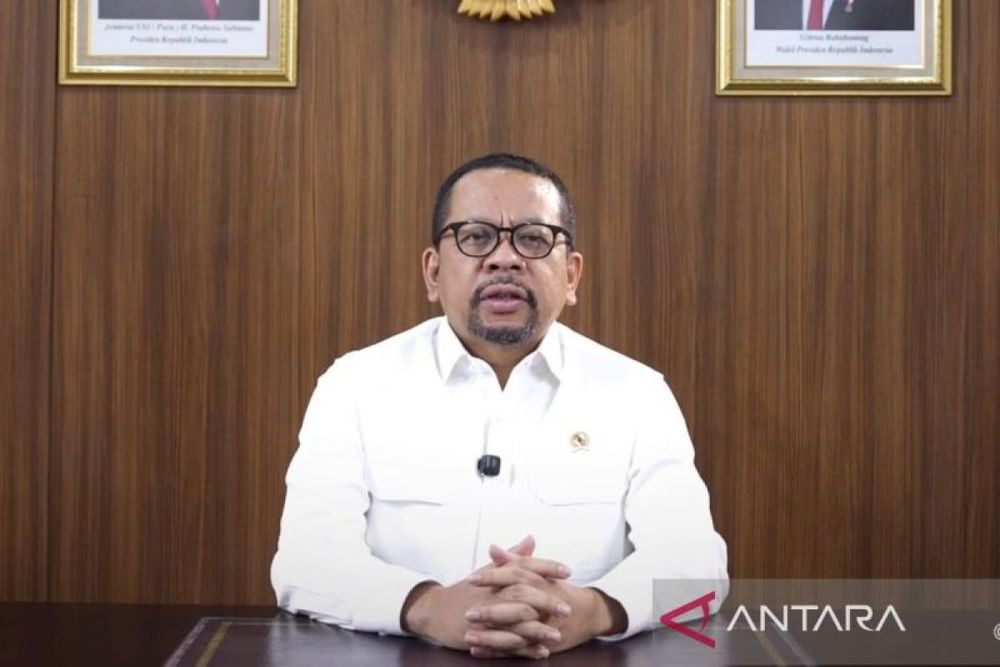
Presidential Communication Office Head Muhammad Qodari announced Tuesday that the appointment of Sudaryono as BGN head marks a renewed commitment to program quality and accountability. Sudaryono, who previously served as Deputy Minister of Agriculture and participated in developing the MBG program from its inception, assumed leadership on July 22, 2026, succeeding Nanik S. Deyang.
The leadership transition follows recent enforcement actions demonstrating the government's commitment to program integrity. On July 27, BGN permanently suspended 833 MBG kitchens nationwide for violations including food poisoning cases, poor hygiene, failure to meet quality standards, and inadequate wastewater management. The agency also imposed disciplinary sanctions on 48 officials connected to these violations.
Strengthened monitoring across the program chain
Qodari emphasized that authorities will strengthen monitoring across the entire program chain, from ingredient procurement and food preparation to meal distribution and delivery to beneficiaries. The government has pledged to respond more quickly to public reports and complaints.
We will further improve food safety standards and oversee every stage of the MBG program, from ingredient availability to meal delivery. We will also respond more quickly to public reports.
The heightened focus on quality comes as the program operates at massive scale. The government allocated Rp335 trillion (approximately $19.8 billion) from the 2026 state budget for MBG, targeting about 82 million beneficiaries. Since launching on January 6, 2025, the program has distributed over 8.3 billion meal portions and created employment for approximately 1.29 million workers involved in food preparation and distribution.
Quality over quantity
Qodari stressed that program success extends beyond coverage metrics to encompass service quality and public engagement. The government recognizes that beneficiaries' experiences and sense of ownership represent critical indicators of MBG's effectiveness.
MBG's success is not measured solely by its coverage or the number of beneficiaries. It is measured by service quality and the public's strong sense of ownership.
The communication chief acknowledged high public expectations for the program, noting these expectations will motivate authorities to make MBG more reliable and responsive. The government views continuous evaluation and improvement as essential to achieving program objectives.
Strategic investment for national development
Officials position the MBG program as a key investment toward realizing the Golden Indonesia 2045 vision, which aims to transform Indonesia into one of the world's top five economies by the country's centennial of independence. The vision targets a GDP of $7.3 trillion and per capita income of $25,000 by 2045, with food security and education as core priorities.
By learning, welcoming evaluation and improving, we are optimistic that this program will become more effective, better targeted and bring smiles to future generations.
The government has intensified cross-sector coordination to support program implementation, working with various ministries and local governments to ensure consistent quality standards across all participating service units nationwide.